Embroidery has always been a craft built on detail, patience, and skill. For many years, creating embroidered designs took a lot of manual work. Designs had to be planned carefully, machines had to be guided with limited tools, and production was slower than it is today.
Then embroidery digitizing software changed the industry.
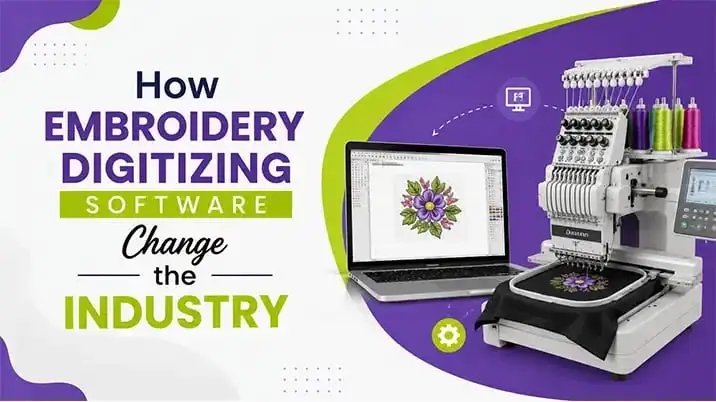
It helped turn artwork into machine-ready stitch files faster, cleaner, and with more control. What once took long hours of manual preparation can now be done with better accuracy and speed.
From Manual Work to Digital Control
Before digitizing software became common, embroidery work depended heavily on manual setup. Creating a design for a machine was time-consuming. Even small changes could take extra effort.
Digitizing software changed this process by giving designers more control over how a design is stitched. Instead of only thinking about how the artwork looks, digitizers can plan how the machine will sew it.
They can control stitch direction, stitch type, thread changes, borders, fills, and design size. This has made embroidery more consistent and easier to repeat across different products.
For example, a logo can now be prepared once and used again for shirts, caps, jackets, bags, and patches with the right adjustments.
Better Accuracy for Logos and Custom Designs
One of the biggest changes is accuracy. Businesses often need their logos to look the same across many items. A poorly stitched logo can damage brand image, especially on uniforms or promotional products.
Digitizing software helps create cleaner outlines, sharper lettering, and better stitch placement. It also allows designers to zoom in, check details, and fix problem areas before the design reaches the machine.
This is important because embroidery is not the same as printing. A design that looks good on screen may not stitch well on fabric. Software helps bridge that gap by turning visual artwork into practical stitch instructions.
Faster Production and Shorter Turnaround
Speed is another major benefit. In the past, preparing embroidery files could take longer and involve more trial and error. Today, digitizing software helps reduce setup time.
Designers can create, edit, preview, and save files more efficiently. If a customer asks for a size change or a small adjustment, the file can often be updated without starting from zero.
This has helped embroidery businesses take more orders, respond faster to clients, and manage urgent jobs better. For small businesses, this can make a big difference.
Fast turnaround is especially important for uniforms, event merchandise, corporate gifts, school badges, and sports team apparel.
More Design Options for Customers
Digitizing software has also expanded what customers can ask for. Embroidery is no longer limited to basic names or simple shapes. Customers now request detailed logos, patches, monograms, custom artwork, and branded designs for many types of fabric.
With the right software and skill, digitizers can adjust designs for different uses. A design for a cap may need different settings than a design for a jacket. A towel design may need more care because the fabric has texture. A small chest logo may need simplified details so it stays readable.
This flexibility has helped embroidery become more creative and more useful for businesses and individuals.
Growth of Small Embroidery Businesses
Digitizing software has made it easier for small embroidery shops to compete. A small shop can now offer custom designs, quick edits, and repeat orders without needing a large production team.
Even home-based embroidery businesses have grown because digital tools are more accessible than before. Some beginners start by testing free embroidery digitizing software, then move to paid tools or professional services as their work grows.
This has opened the door for more people to enter the embroidery market. Designers, crafters, clothing sellers, and small brands can now offer embroidered products with less difficulty than in the past.
Easier File Sharing and Repeat Orders
Another major change is how easily embroidery files can be stored and shared. Once a design is digitized, it can be saved for future use. This makes repeat orders much easier.
A company can reorder uniforms months later and still use the same design file. A school can reuse its badge design each year. A sports team can keep its logo consistent across new apparel.
Common machine formats, including .dst files, have helped embroidery shops work with different machines and customers. This has made production more flexible and easier to manage.
Why Skill Still Matters
Even though software has changed the industry, skill is still very important. Digitizing software is a tool, not a replacement for experience.
A good digitizer understands fabric, thread, stitch density, design size, and machine behavior. They know when to simplify small details, how to avoid puckering, and how to make lettering readable. Automatic tools can help, but they do not always make the best decisions. A human digitizer can look at the design and choose what will work best in real embroidery.
This is why professional digitizing still matters, especially for logos, caps, uniforms, patches, and customer orders.
Final Thoughts
Embroidery digitizing software has changed the industry by making design preparation faster, cleaner, and more flexible. It has helped businesses improve quality, reduce delays, and offer more custom options to their customers.
It has also made embroidery more accessible for beginners, small shops, and growing brands. But the best results still come from a mix of good software and skilled digitizing. In the end, software changed the process, but expertise still shapes the final result.